
The M1 is the most common American military helmet ever made, and that is exactly why it is hard to collect well. More than 22 million shells came off the lines during the war, and the same basic design stayed in service for another forty years. A helmet that looks like Normandy in 1944 can just as easily be a 1960s shell with a wartime liner dropped into it.
The good news is that the M1 changed in small, datable ways. Learn four or five details and you can place most shells within a year or two from a single photo.
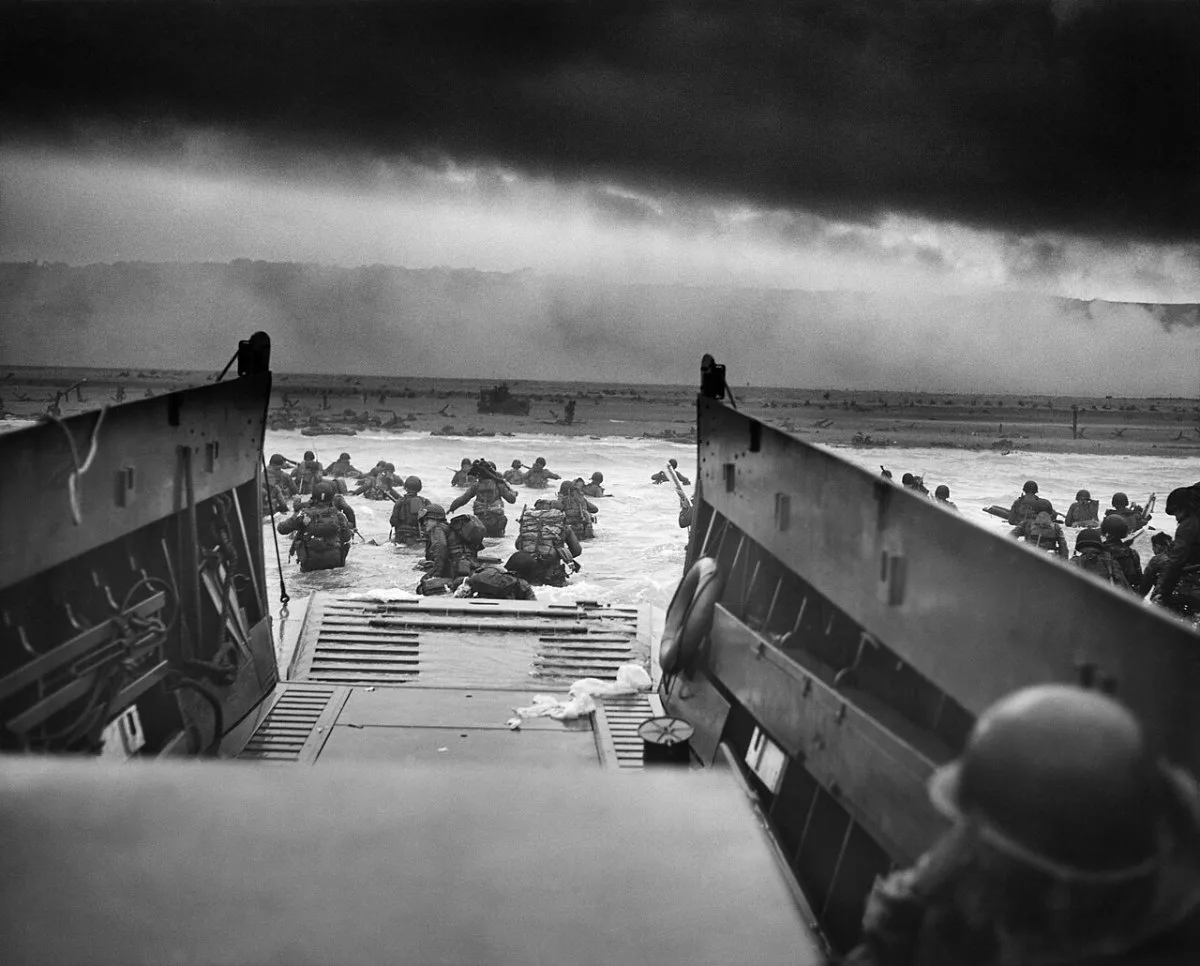

The parts of an M1
The M1 is really two helmets. The steel shell takes the hit. Inside it sits a separate liner, a lighter shell of resin-soaked fiber or cloth that carries the head suspension. A soldier could wear the liner alone around camp and slip the steel shell over it in the field.
How the M1 changed, 1941–1945
- 1941Approved in June. McCord Radiator of Detroit makes the first 323,510 shells before America enters the war, all with the rim seam at the front, fixed chinstrap loops and a stainless steel rim.
- 1942Output passes five million. The first compressed-fiber liners give way to stronger liners made from cotton cloth soaked in phenolic resin.
- 1943Schlueter of St. Louis starts making shells in January. Hinged "swivel" loops replace the fixed ones, and chinstraps begin to change from olive drab shade 3 to the darker shade 7.
- Nov 1944The rim seam moves from the front to the back, and the stainless rim is replaced by manganese steel. This is the single most useful dating point.
- 1945Wartime production ends with over 22 million shells. Shells made after the war keep the rear seam and swivel loops.
Is it WWII? Five checks
- Find the rim seam. The rim is a strip of metal crimped around the edge, and its two ends meet at one point. A seam at the front means the shell was made before November 1944. A seam at the back means late war or postwar.
- Look at the chinstrap loops. Loops welded flat to the shell that cannot move are early war, to about 1943. Swivel loops were used from 1943 into the 1980s, so on their own they prove nothing.
- Try a magnet on the dome. Hadfield manganese steel is not magnetic. If a magnet grabs the dome firmly, the shell is very likely a reproduction made from ordinary steel.
- Look for a heat lot stamp. Most shells carry a stamped number and letter inside, such as 231A, which one dealer dates to around August 1942. Paint and rust often hide it, so a missing stamp is not proof of anything.
- Check the liner separately. Wartime liners usually have a small eyelet hole at the front of the crown and herringbone-weave cotton webbing. Liners were swapped constantly, so date the shell and the liner on their own.
Reproductions and parts helmets
Outright fakes are less of a problem with M1s than with German helmets, because genuine shells are still cheap enough that faking one barely pays. The bigger risk is the "parts helmet": a real wartime shell with a postwar liner, or a postwar shell dressed with a wartime net, strap and painted markings, sold as untouched.
Be most careful with painted unit insignia, names and "battle damage". These are what lift a $300 helmet to $3,000, so they are what gets added. A painted marking is only as good as the paperwork or family history behind it. Without that, pay the price of a plain helmet.
What M1 helmets sell for
A complete wartime example with a front seam, fixed loops and a correct liner usually sells for a few hundred dollars. Postwar shells sell for much less, and helmets named to a soldier with a provable history sell for far more.
| Helmet | Where | When | Price |
|---|---|---|---|
| Front seam, fixed loops, named, with liner | eBay, sold | Apr 2025 | $285.50 |
| Front seam, fixed loops, USMC-marked and named | eBay, sold | Apr 2025 | $360.92 |
| McCord front seam, fixed loops, Westinghouse liner, torn net | Dealer, asking | Nov 2026 | $395 |
| Front seam, fixed loops, CAPAC liner, Korean War USMC cover | Dealer, asking | Nov 2026 | $650 |
Single sales and asking prices, not a price guide.
Did it work?
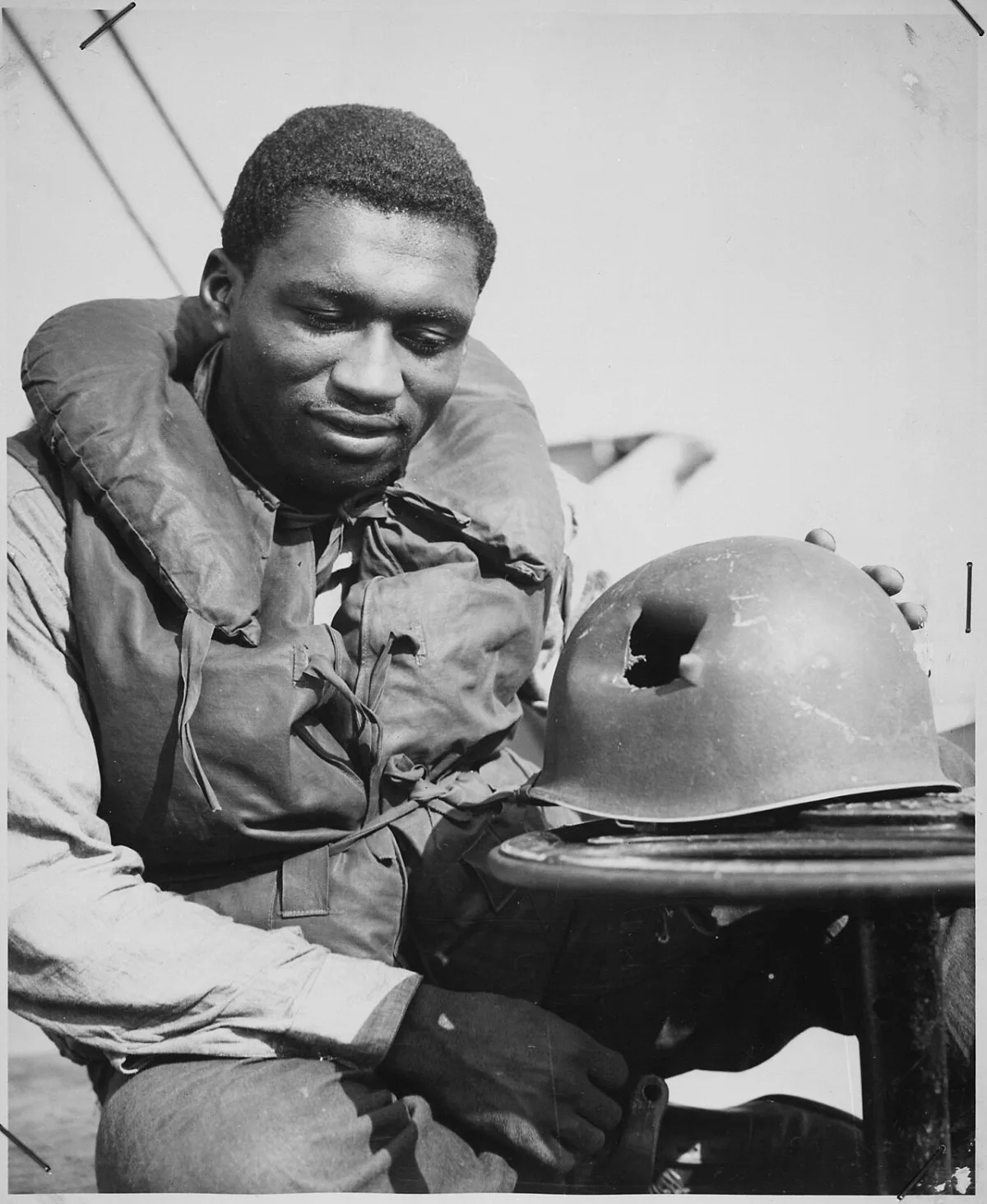
After the war, the Army's Operations Research Office studied combat casualties and found that 54 percent of the hits that struck an M1 failed to go through. It estimated that the helmet had saved about 70,000 men from death or injury.
Related helmets
Sources
- M1 helmet: Wikipedia: production figures, materials and specification changes
- WWII-era M1 helmets: a beginner's guide: Military Trader
- International Military Antiques: dealer listings, heat lot dating and liner details
- eBay sold listings, April 2025
Was this page helpful?